 Pin It
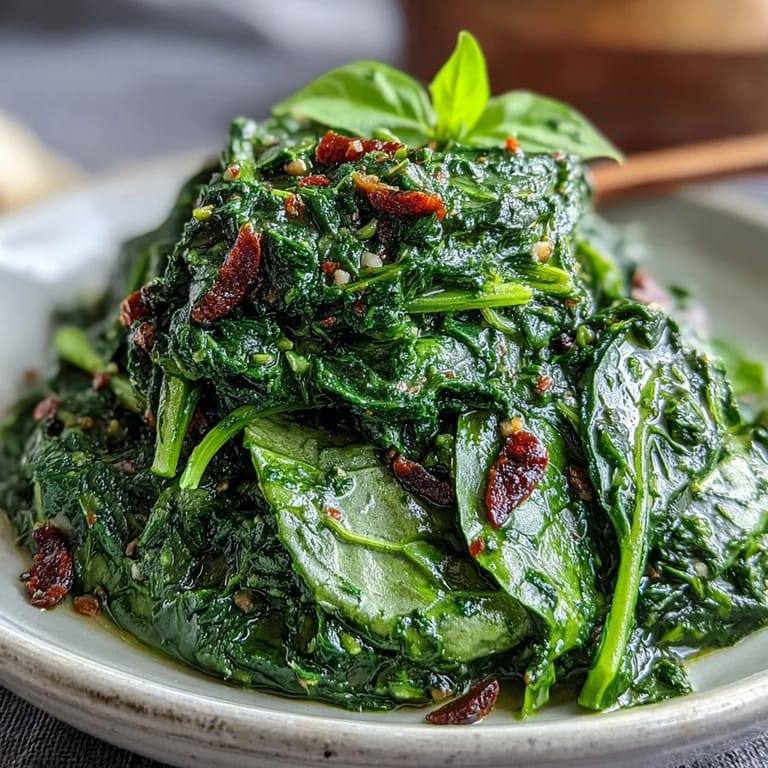
 My neighbor handed me a bag of dandelion greens from her yard one spring morning, apologizing like she'd given me weeds. I laughed and made pesto that afternoon, and suddenly understood why she'd been harvesting them so carefully all season. The bitterness caught me off guard at first, but when I tossed it with warm pasta, something clicked. That vibrant, slightly peppery green sauce became one of those recipes I now make deliberately, not by accident.
Last summer I brought a jar of this to a potluck and watched people's faces as they tried it spread on crostini. A quiet moment where someone said, "This is different," and then went back for another piece. That's when I realized pesto doesn't have to be traditional to be memorable.
Ingredients
- Fresh dandelion greens (2 cups, loosely packed): Look for younger leaves from your garden or farmers market, as they're less intensely bitter; older leaves can be blanched briefly in boiling water if you want to soften their bite.
- Fresh basil leaves (1/2 cup, optional): A gentler addition if you want to mellow the pesto's sharpness without losing its personality.
- Pine nuts (1/3 cup), toasted: Worth the effort to toast them yourself because that warm, buttery aroma signals they're at their peak, and store-bought toasted ones sometimes taste stale by comparison.
- Freshly grated Parmesan cheese (1/2 cup): The texture matters here—grate it fresh because pre-shredded versions have anti-caking agents that make the pesto grainy and less silky.
- Garlic cloves (2 large), peeled: Raw garlic will bloom and intensify as the pesto sits, so taste as you go and hold back if you prefer a gentler approach.
- Extra-virgin olive oil (1/2 cup): A good one shines here because it's doing the heavy lifting flavor-wise; cheap oil becomes almost bitter when blended into something this simple.
- Lemon juice (from 1/2 lemon): Adds brightness that keeps the earthiness from becoming heavy, and helps the color stay vivid.
- Kosher salt (1/2 teaspoon) and black pepper (1/4 teaspoon): Adjust these gently at the end because you're tasting a raw sauce that might shift in perception as it sits overnight.
Tired of Takeout? 🥡
Get 10 meals you can make faster than delivery arrives. Seriously.
One email. No spam. Unsubscribe anytime.
Instructions
- Toast the pine nuts until they sing:
- Warm a dry skillet over medium heat and add the pine nuts, stirring constantly for 2 to 3 minutes until they're golden and smell toasted and almost buttery. Tip them onto a plate to cool—they'll continue crisping as they rest, and this stops them from burning in the residual heat.
- Build the base in the food processor:
- Combine the dandelion greens, basil if using, garlic cloves, cooled pine nuts, and Parmesan cheese, then pulse several times until everything is finely chopped but still has a little texture. Don't over-process yet; you're looking for a chunky mixture before the oil goes in.
- Stream in the oil and lemon juice:
- Turn the processor on and pour the olive oil in slowly, watching the mixture transform from rough to creamy and luscious. Add the lemon juice toward the end, blending until you reach that perfect pesto consistency—smooth but with a little body, not a thin paste.
- Season and taste before finishing:
- Pulse in the salt and pepper, then stop and taste on a plain cracker or piece of bread to get a true sense of how it'll taste on actual food. Add more salt or lemon juice if the dandelion bitterness feels too sharp, or a touch more olive oil if it seems thick.
- Transfer and store:
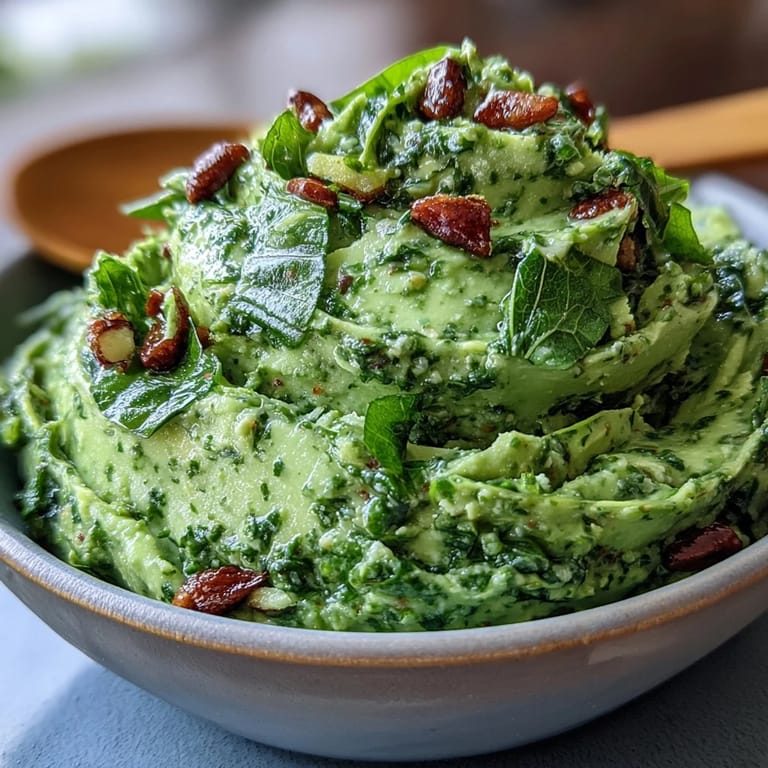
- Scoop the pesto into a jar or bowl and use it right away, or press plastic wrap directly onto the surface before refrigerating to keep the bright green color from oxidizing into dull olive.
 Pin It
 My daughter mixed this into plain yogurt one morning and called it "fancy dip," and now I keep a jar just for that. It's become one of those quiet recipes that saves breakfast or lunch without demanding attention.
What Makes Dandelion Different
Dandelion greens bring a minerality and herbaceous bite that basil-only pesto never achieves, almost like a green tea meets garden earth complexity. Once you taste that earthiness balanced against the creaminess of pine nuts and cheese, softer pestos start feeling one-dimensional. The flavor deepens as the pesto sits, so what tastes sharp on day one becomes almost mellow by day three.
Ways to Use This Beyond Pasta
I started spreading this on toast with a fried egg and everything shifted into focus—suddenly it was not just a condiment but the star. Toss it with warm roasted vegetables like carrots or beets and the pesto's bitterness cuts through their sweetness in the most elegant way. It works as a dip for raw vegetables, a spread on sandwiches, or even a finishing touch stirred into soup at the very last second.
Substitutions and Flexibility
Walnuts or almonds work beautifully if pine nuts feel too precious or expensive, though they'll bring a slightly deeper earthiness rather than that buttery sweetness. For a vegan version, nutritional yeast brings a cheesy umami without dairy, though you'll want to increase the amount slightly to match the depth of grated Parmesan. The basil is truly optional—I sometimes skip it entirely and let the dandelion be the main voice, but adding it mellows and rounds the whole thing if you prefer a softer approach.
- If your dandelion greens taste almost unbearably bitter, blanch them in boiling water for just 30 seconds, then drain and cool before processing.
- Pecorino Romano gives a sharper, more aggressive bite than Parmesan if you want to lean into the bold flavors.
- Keep the jar in the coldest part of your fridge and press plastic wrap onto the surface to preserve that bright green color.
 Pin It
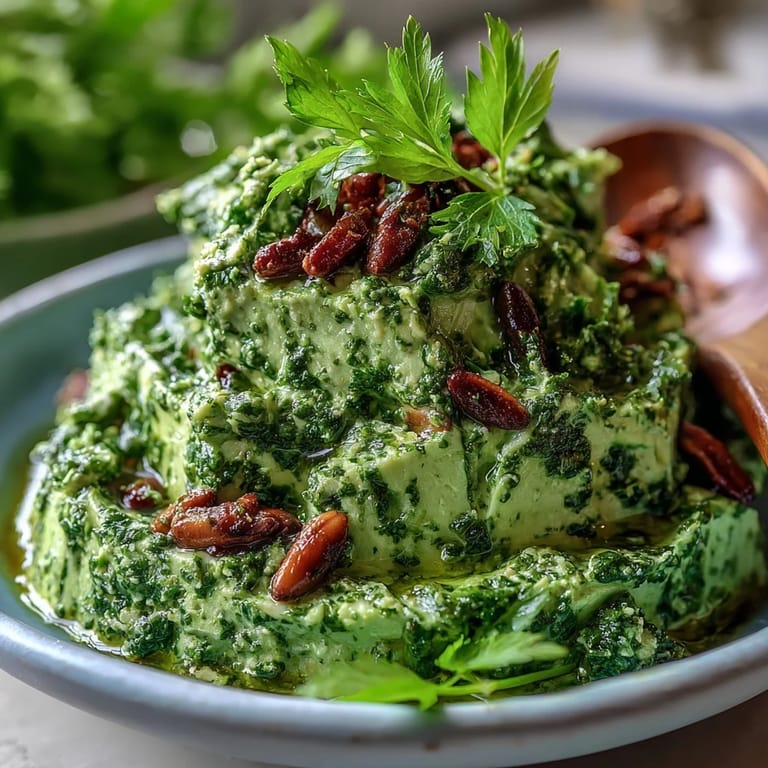
 This pesto taught me that the best recipes don't always come from cookbooks—sometimes they arrive in a paper bag from a neighbor's garden. Once you make it once, you'll find yourself reaching for it constantly.
Your Questions Answered
- → Can I use other nuts instead of pine nuts?
Yes, walnuts or almonds can be used as alternatives, offering a different nutty flavor and texture.
- → How can I reduce the bitterness of dandelion greens?
Briefly blanching the greens in boiling water and then cooling them can soften their bitterness.
- → Is it possible to make this without cheese?
Omitting the cheese or using nutritional yeast creates a vegan-friendly version with a slightly different taste.
- → What are some ways to use this dandelion pesto?
It works beautifully tossed with pasta, spread on toast, or drizzled over roasted vegetables for added flavor.
- → How should I store the pesto to maintain freshness?
Store in an airtight container in the refrigerator for up to one week. Covering the surface with a bit of olive oil can help preserve it.