 Pin It
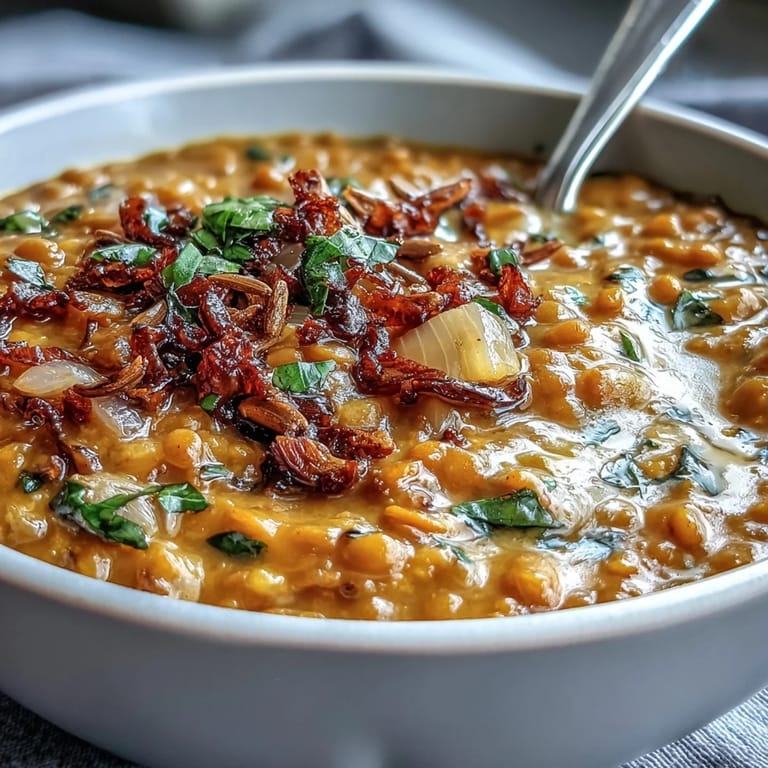
 My neighbor brought a thermos of dhal to my door on a gray November afternoon, steam rising from the lid as she explained it was her grandmother's recipe, simplified for weeknight cooking. That first spoonful—earthy lentils brightened by lemon, the warmth of ginger sitting on my tongue—made me understand why she'd driven across town to share it. I've since made it dozens of times, each batch a little different depending on what's in my spice cabinet or how much heat I'm craving. The roasted cauliflower was my own addition, born from a Sunday when I had leftover florets and wanted something golden alongside the creamy dhal.
I made this for my book club once, nervous that vegetarian wouldn't feel substantial enough for the group. Two women came back for thirds, and one asked for the recipe before dessert even arrived. That's when I realized this dish doesn't need meat to feel nourishing—it has enough warmth, enough complexity, enough soul to stand completely on its own.
Ingredients
- Red lentils: They dissolve slightly as they cook, creating that signature creamy texture without any cream at all—rinse them first so your dhal stays clear and bright.
- Coconut milk: Use full-fat if you want richness, or light coconut milk if you're keeping things leaner; either way, it adds depth that vegetable broth alone can't.
- Cumin seeds: Buy whole seeds when you can and toast them briefly in a dry pan before roasting the cauliflower—the aroma alone will make you hungry.
- Fresh ginger: Grate it just before cooking so you capture all those bright, spicy oils.
- Garam masala: This warm spice blend is the secret heart of the dhal; don't skip it or substitute it.
- Cauliflower florets: Cut them fairly uniform so they roast evenly and crisp up at the same time.
- Lemon juice: Added at the very end, it lifts everything and prevents the dhal from tasting heavy.
Tired of Takeout? 🥡
Get 10 meals you can make faster than delivery arrives. Seriously.
One email. No spam. Unsubscribe anytime.
Instructions
- Set your oven and prepare the tray:
- Preheat to 220°C and line a baking tray with parchment paper so your cauliflower won't stick and cleanup will be easy.
- Season and spread the cauliflower:
- Toss the florets with olive oil, cumin seeds, turmeric, smoked paprika, salt, and pepper in a large bowl, making sure each piece gets coated. Spread them in a single layer on your tray—crowding them means steam instead of that golden crispness you're after.
- Roast until golden:
- Pop them in the oven for 25–30 minutes, giving them a stir halfway through. You're looking for edges that are caramelized and dark.
- Start the dhal base:
- While the cauliflower roasts, heat coconut oil in a large pot over medium heat. Add mustard seeds and listen for them to pop and dance—this only takes about 30 seconds but it wakes up all the spice flavors that follow.
- Build the aromatics:
- Sauté the chopped onion for 4–5 minutes until it's soft and translucent, then add minced garlic, grated ginger, and finely chopped green chili. Cook for just 1 more minute so the raw edges disappear but the ginger stays bright.
- Bloom the spices:
- Stir in ground cumin, coriander, turmeric, and garam masala and cook for about 1 minute until the kitchen fills with that warm, toasted aroma. This step transforms raw spice powder into something complex and alive.
- Add the lentils and liquids:
- Pour in the rinsed lentils, coconut milk, vegetable broth, and salt. Bring everything to a boil, then lower the heat and let it simmer gently for 20–25 minutes, stirring occasionally. The lentils will soften and break down slightly, creating a creamy consistency without any cream.
- Finish and taste:
- Stir in the lemon juice and taste for salt. If the dhal feels too thick, add a splash more broth or water—it should flow slowly when you spoon it, not sit stiffly in the pot.
- Bring it all together:
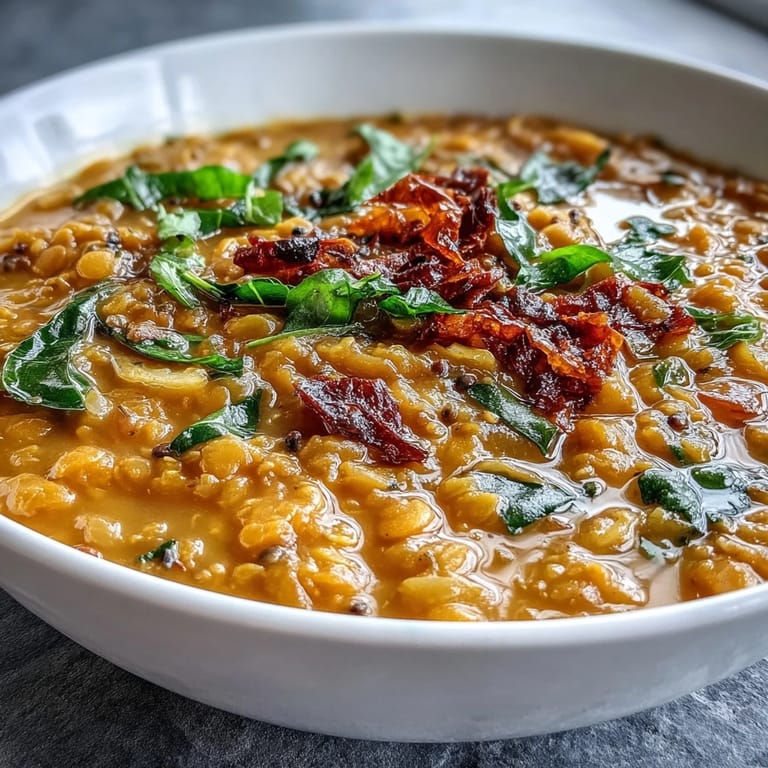
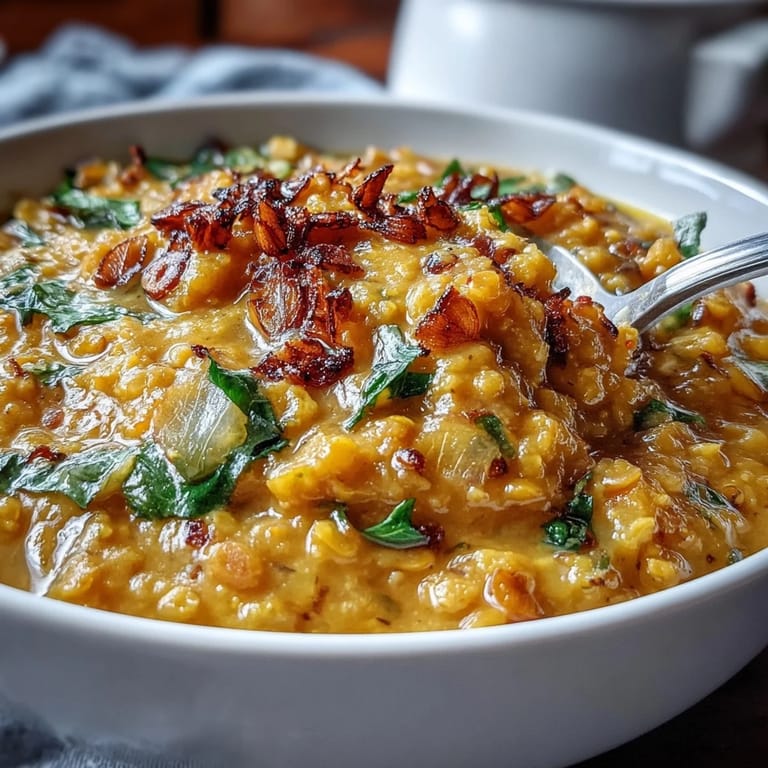
- Serve the warm dhal in bowls, crown each portion with the golden roasted cauliflower florets, and scatter fresh cilantro on top for brightness and freshness.
 Pin It
 My daughter, who was four at the time, refused most Indian food but ate this entire bowl one evening, asking for the cilantro to be on the side so she could control the experience. That's when I knew it wasn't just another recipe—it was something approachable enough for a skeptical palate but thoughtful enough for mine.
The Magic of Cumin in Two Forms
Using cumin both as whole seeds (in the cauliflower) and ground (in the dhal) gives you two different expressions of the same spice. The whole seeds stay distinct and slightly crunchy against your teeth, releasing their essential oils as you chew, while the ground cumin dissolves into the dhal itself, building a warm foundation that holds everything together. It's like listening to a song in two different keys—familiar but never boring.
Why Coconut Milk Matters Here
Vegetable broth alone would make a decent dhal, but coconut milk transforms it into something luxurious and complete. The fat carries flavor, coats your mouth pleasantly, and makes the lentils feel more substantial. It also balances the sharp heat of the ginger and chili, wrapping them in something gentle and warm.
Serving and Storage Wisdom
This dish tastes even better the next day as the spices settle and deepen, so don't hesitate to make it ahead. The cauliflower will soften slightly, but that's not a flaw—it means the flavors have truly merged. Store them together or separately depending on your texture preference; I often keep the roasted cauliflower in an airtight container and the dhal in the fridge, reassembling them fresh when I reheat.
- Serve with basmati rice or warm naan to soak up every drop of that creamy dhal.
- Toasted cashews or pumpkin seeds scattered on top add crunch and richness if you want extra texture.
- Adjust the green chili amount based on your heat tolerance—start with half and taste as you go.
 Pin It
 This dhal has become my answer to so many moments—when I'm tired and need something comforting, when I'm cooking for someone picky, when I want to prove that plant-based cooking can be deeply satisfying. It asks very little of you and gives back everything.
Your Questions Answered
- → What makes this dhal creamy without dairy?
Coconut milk creates the luxurious, velvety texture while keeping the dish completely vegan. The lentils also naturally break down during cooking, thickening the sauce into a creamy consistency without any cream needed.
- → Can I use other types of lentils?
Red lentils work best because they cook quickly and dissolve slightly into the broth. Yellow lentils or split peas are good substitutes, though brown or green lentils will hold their shape and create a different texture.
- → How do I store and reheat leftovers?
Keep in an airtight container in the refrigerator for up to 4 days. The dhal thickens as it stands—add a splash of water or broth when reheating on the stove. Re-roasted cauliflower briefly at 200°C to restore its crisp edges.
- → Is this dish spicy?
The warming spices provide flavor rather than intense heat. Green chili is optional, so you can control the spice level. The result is a mild, aromatic dish suitable for most palates, with gentle warmth from cumin and ginger.
- → What should I serve with dhal?
Fluffy basmati rice is traditional and perfect for absorbing the flavorful sauce. Warm naan, roti, or other flatbreads work well for scooping. For a lighter option, serve with steamed vegetables or a crisp salad.
- → Can I make this in advance?
Yes—the dhal actually tastes better the next day as flavors develop. Make the lentil portion up to 2 days ahead and reheat gently. Roast fresh cauliflower before serving to maintain its crispy texture.