 Pin It
 My neighbor Maria showed up at my door one afternoon with a bottle of homemade limoncello, insisting I had to make something with it. I wasn't sure what to do with it at first, but when she described her grandmother's pound cake—dense, moist, and brightened with that sharp citrus bite—something clicked. That conversation led me to this recipe, and now I can't imagine spring without it.
Last Easter, I brought this cake to a family gathering, and my sister actually asked me to stop talking and just hand over the recipe because people wouldn't stop asking where it came from. Watching three different conversations pause mid-sentence because someone took a bite—that's when I knew this one was a keeper.
Ingredients
- All-purpose flour (2 1/2 cups): The foundation here—use fresh flour if you can, since old flour can make the cake dense and heavy.
- Baking powder (1/2 tsp) and fine sea salt (1/2 tsp): These aren't just flavor—salt makes the lemon sing, and the baking powder gives you that tender crumb without making it cake-y.
- Unsalted butter (1 cup, softened): Room temperature is non-negotiable; cold butter won't cream properly and you'll lose that fluffy texture.
- Granulated sugar (2 cups): Don't skimp here—this is what creates that golden crust and keeps everything moist.
- Eggs (4 large, room temperature): Cold eggs break up the batter and create a dense crumb instead of the tender one we want.
- Limoncello liqueur (1/3 cup): This is the soul of the cake—use a decent quality, not the cheapest bottle you can find.
- Whole milk (1/4 cup, room temperature): This keeps the crumb tender and helps balance the richness of the butter.
- Fresh lemon juice (1/4 cup) and zest of 2 lemons: The zest gives you those visible flecks; the juice adds brightness that makes people wonder what your secret is.
- Vanilla extract (1 tsp): Just enough to deepen the flavor without announcing itself.
- Powdered sugar (1 cup, sifted) for the glaze: Sifting matters—lumpy glaze looks homemade in the wrong way.
Tired of Takeout? 🥡
Get 10 meals you can make faster than delivery arrives. Seriously.
One email. No spam. Unsubscribe anytime.
Instructions
- Set yourself up for success:
- Preheat your oven to 350°F and grease your pan generously—I use a loaf pan because I like the rustic shape, but a bundt pan is stunning too. Pull your eggs and milk out of the fridge now if you haven't already, because room temperature ingredients really do make a difference here.
- Combine your dry ingredients:
- Whisk the flour, baking powder, and salt together in a medium bowl—this distributes the leavening evenly so you don't end up with weird dense pockets. Set it aside and leave it alone.
- Cream the butter and sugar:
- This is where patience pays off. Beat them together for a full 3 to 4 minutes until the mixture is pale, fluffy, and almost doubled in volume—you're incorporating air that will make the cake light. If you rush this step, your cake will be heavy, so don't skip it.
- Add the eggs one by one:
- Beat in each egg completely before adding the next—this takes maybe 30 seconds per egg, but it ensures they're fully incorporated and won't break the emulsion. You should see the mixture get smooth and creamy after each egg.
- Introduce the limoncello and wet ingredients:
- Mix in the limoncello, milk, lemon juice, zest, and vanilla until just combined—don't overmix, or you'll develop the gluten and end up with a tough cake. The batter should look smooth and slightly curdled, which is exactly what you want.
- Fold in the flour mixture:
- Add the flour in two additions, mixing on low speed just until you don't see white streaks anymore. Overmixing is the enemy of a tender crumb, so stop as soon as the flour disappears.
- Get it into the oven:
- Pour the batter into your prepared pan and smooth the top gently—don't bang it or press down. Bake for 50 to 60 minutes until a toothpick inserted in the center comes out clean or with just a few moist crumbs clinging to it.
- Watch for browning:
- If the top starts browning too quickly around the 40-minute mark, tent it loosely with foil—you want a golden cake, not a burnt one. The sides should pull away from the pan slightly when it's done.
- Cool with intention:
- Let the cake rest in the pan for 15 minutes—this gives the crumb time to set so it doesn't fall apart when you turn it out. Then invert it onto a wire rack and let it cool completely before glazing, which takes about an hour.
- Make the glaze:
- Whisk the powdered sugar with 2 tablespoons of fresh lemon juice until smooth, then add the limoncello if you're using it. Adjust the consistency by adding more lemon juice a teaspoon at a time until it's pourable but still coats the back of a spoon.
- Finish it beautifully:
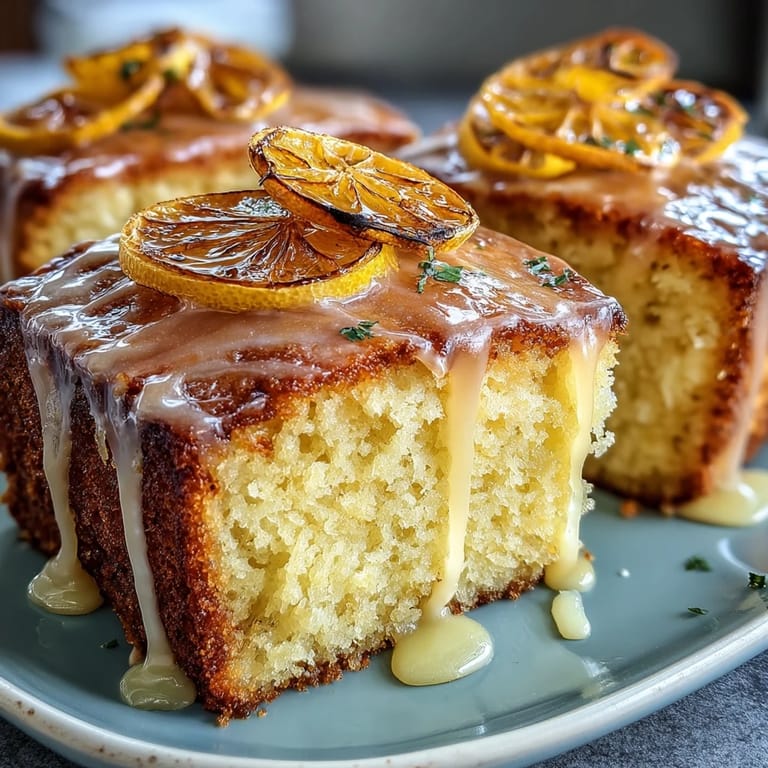
- Drizzle the glaze over the cooled cake in whatever pattern feels right to you—zigzags, simple lines, or just let it pool naturally on top. Sprinkle the zest of one lemon over the top while the glaze is still wet so it sticks, then let everything set for at least 30 minutes before slicing.
 Pin It
 There was a moment during a rainy afternoon when I was testing this recipe for the third time, and my daughter came downstairs asking if the house always smelled like a lemon grove. When she tasted the first slice, she went quiet in that way kids do when they're genuinely impressed, and that simple reaction made every detail of this recipe feel worth perfecting.
Why This Cake Works
The combination of limoncello with fresh lemon creates a flavor that's complex rather than one-note—the liqueur adds smoothness and depth, while the fresh juice and zest keep everything bright and sharp. The milk and the careful mixing method ensure you get a tender crumb that's moist enough to keep for days without drying out. It's the kind of cake that tastes like you spent all day in the kitchen, even though you really only spent 20 minutes mixing.
Making It Your Own
Once you've mastered the basic recipe, you can play around with it in ways that feel natural. Some people brush the baked cake with an extra 2 tablespoons of limoncello before glazing for an even more intense flavor—I do this when I'm feeling fancy. Others serve it with fresh berries on the side or a dollop of whipped cream, which balances the richness beautifully. If you want to get creative, try swapping the limoncello for orange liqueur and using orange zest instead, which gives you a completely different but equally delicious cake.
Storage and Serving Suggestions
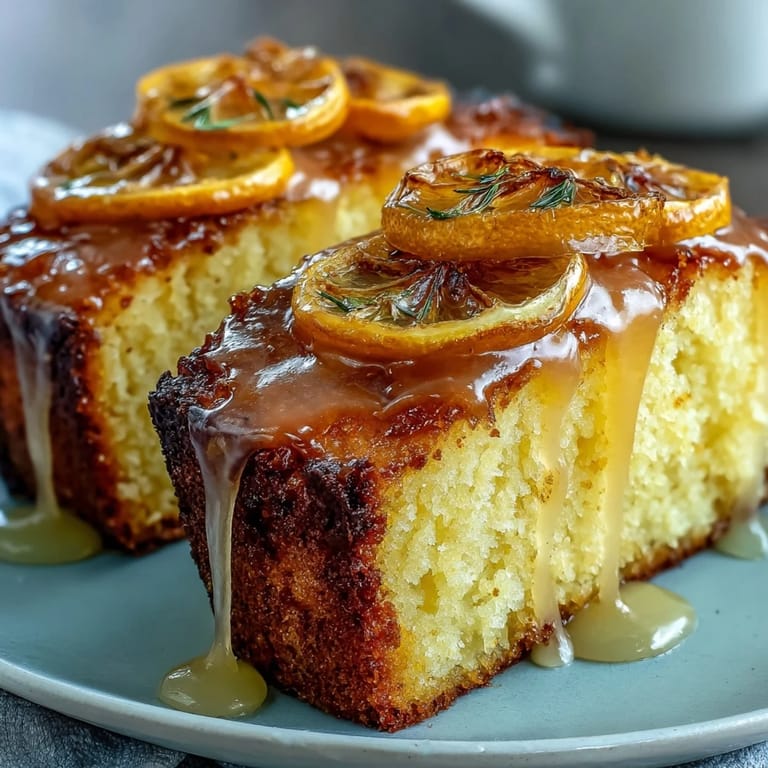
This cake actually improves after a day or two because the flavors have time to settle and mellow together—it's one of those rare baked goods that's even better than it was on day one. Wrapped well at room temperature, it keeps for about four days, though it usually doesn't last that long in my house. Slice it with a hot, wet knife for clean cuts, and serve it at room temperature or slightly warm so you really taste the lemon and the butter.
- If you need to make it ahead, bake the cake the day before and glaze it the morning you're serving so the glaze looks fresh.
- You can freeze the unglazed cake for up to three months—just wrap it well and thaw it at room temperature before glazing.
- Bring the glazed cake to a potluck in a disposable aluminum pan so you don't have to worry about getting your good pan back.
 Pin It
 Every time I make this cake, I'm reminded that the best recipes are the ones that become part of how you feed people you care about. This one has a way of making spring feel like it arrived in your kitchen, and that's worth baking it again and again.
Your Questions Answered
- → What role does limoncello play in the cake?
Limoncello adds a distinctive citrusy sweetness and subtle alcohol warmth that brightens the cake's flavor profile.
- → How can I ensure the cake remains moist?
Incorporate softened butter thoroughly and avoid overmixing the batter to keep the crumb tender and moist.
- → Can I substitute the lemon glaze with something else?
Yes, a simple powdered sugar glaze with fresh lemon juice offers a bright finish, but you may also try orange juice or a light cream cheese drizzle.
- → What baking pan works best for this cake?
A 9x5-inch loaf pan or bundt pan is ideal to achieve even baking and a nicely shaped pound cake.
- → Is it necessary to brush limoncello before glazing?
Brushing limoncello adds extra flavor and moisture, but it’s optional and depends on desired intensity.