 Pin It
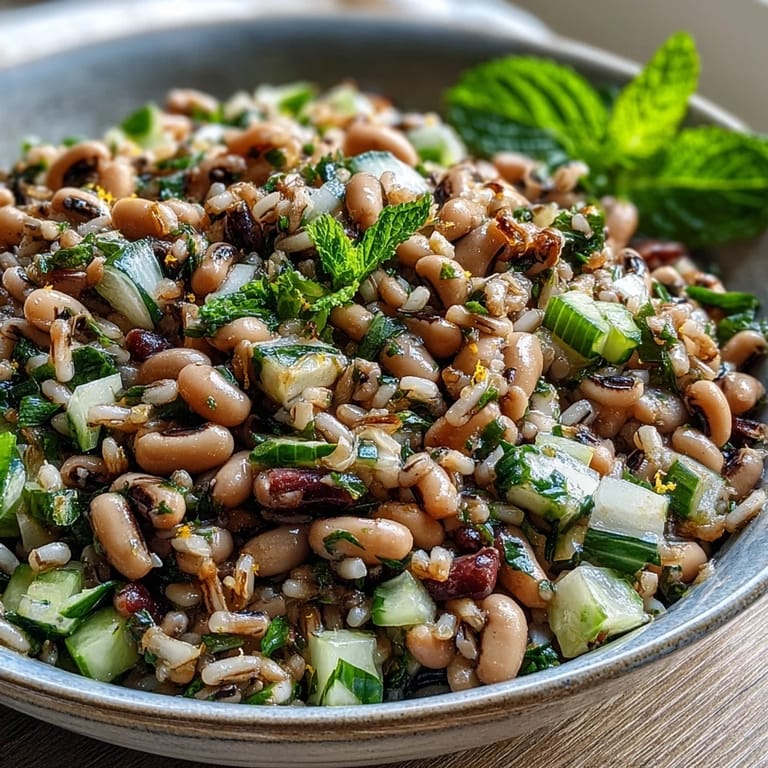
 My aunt brought this salad to a July Fourth gathering years ago, and I watched people go back for thirds without realizing it was just vegetables and beans. There's something about the brightness of lemon and mint hitting those earthy black-eyed peas that makes you forget you're eating something so wholesome. I've made it dozens of times since, always amazed at how the flavors deepen when you give it time to sit in the fridge.
I made this for my coworkers' potluck and someone asked for the recipe before they'd even finished eating—that's when I knew I'd nailed it. There's a quiet confidence that comes from bringing a dish that doesn't need cheese or cream to taste incredible. My friend even started making her own version and texted me photos from her porch, which felt like the highest compliment.
Ingredients
- Black-eyed peas (1 ½ cups cooked): If using canned, drain and rinse them well to cut down on sodium and that tinny flavor—dried ones you've cooked yourself taste earthier, but canned works just fine on a busy day.
- Brown rice (1 cup cooked, cooled): The nuttiness here is what grounds the whole salad and keeps it from feeling too light, so don't skip it or swap for white rice.
- Red onion (½ small, finely diced): Keep it small because raw onion can overpower everything else, but you need its sharp bite to balance the sweetness of the vinaigrette.
- Celery (2 stalks, finely diced): Most people forget celery adds a whisper of herbaceousness that brings the whole salad together.
- Fresh mint (¼ cup chopped): This is what makes it feel Southern and summery, so use real fresh mint—dried just tastes like hay in comparison.
- Extra-virgin olive oil (¼ cup): The quality matters here since it's raw and not cooked, so don't use the cheap stuff.
- Fresh lemon juice (2 tablespoons): Squeeze it yourself if you can, because bottled lemon juice tastes tired and one-dimensional.
- Lemon zest (1 teaspoon): This adds a brightness that lemon juice alone can't quite capture, so don't skip it.
- Dijon mustard (1 teaspoon): It acts as an emulsifier and adds a subtle tanginess that makes you taste salt differently.
- Honey or maple syrup (½ teaspoon): Just enough to soften the sharp edges of the lemon and vinegar, nothing more.
- Salt and pepper: Taste as you go because you can always add more but you can't take it out.
Tired of Takeout? 🥡
Get 10 meals you can make faster than delivery arrives. Seriously.
One email. No spam. Unsubscribe anytime.
Instructions
- Bring your peas and rice together:
- Dump the cooked black-eyed peas and cooled brown rice into a large bowl—make sure the rice is actually cool or the heat will wilt your mint and onion before you want it to. Add the finely diced red onion, celery, and chopped mint and gently fold everything together.
- Make the dressing:
- In a small bowl or jar, whisk the olive oil, fresh lemon juice, lemon zest, Dijon mustard, and honey together until it looks smooth and emulsified. You'll feel it coming together when the oil stops separating and the mixture looks cohesive.
- Marry the flavors:
- Pour that bright vinaigrette over the salad and toss gently but thoroughly so every piece gets coated—you want to hear the peas and rice shifting around as you fold and combine. This is the moment everything starts to taste like it belongs together.
- Taste and adjust:
- Take a spoon, taste a bite, and decide what it needs—maybe more salt, maybe more lemon, maybe a whisper more pepper. Trust your palate over any instruction because everyone's sense of balance is different.
- Let it rest:
- Pop it in the fridge for at least 30 minutes so the flavors can meld and deepen—this is when the salad becomes genuinely delicious instead of just assembled. If you can wait longer, even a few hours, the transformation is worth it.
- Serve and enjoy:
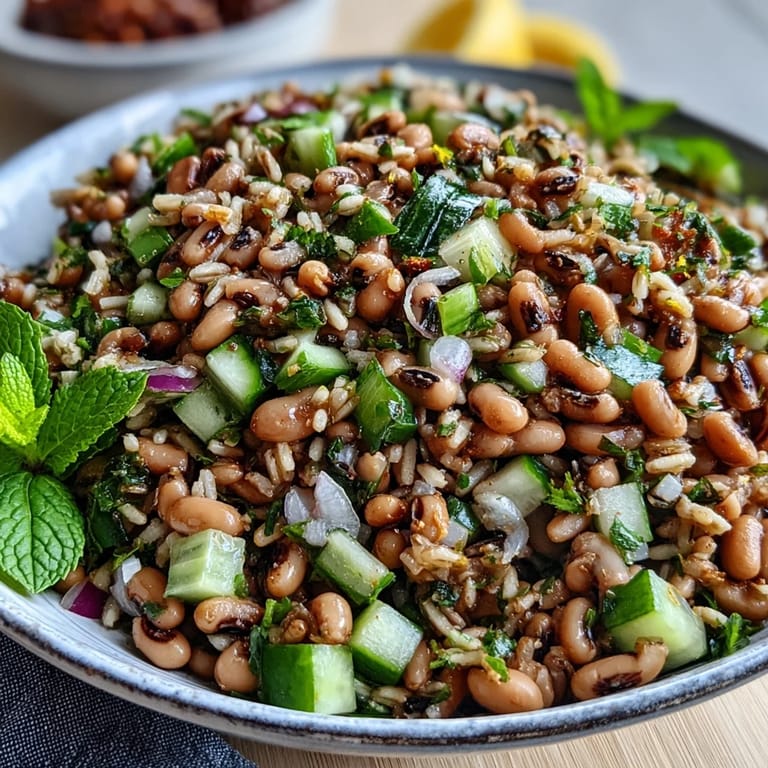
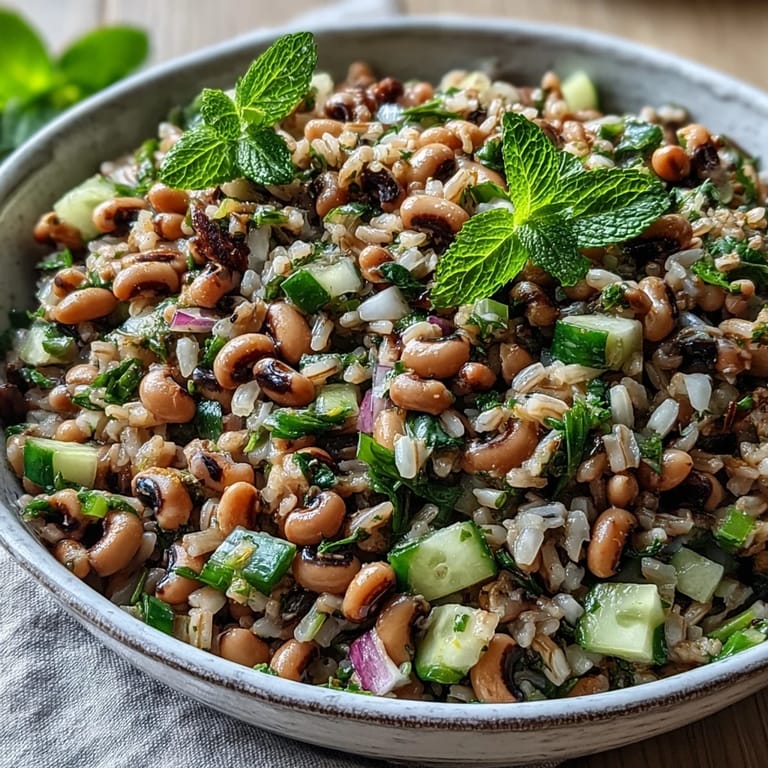
- Bring it out chilled or let it come to room temperature depending on the weather, and top with a little extra fresh mint if you want it to look as good as it tastes.
 Pin It
 Years later, I made this for my neighbor when she was recovering from surgery, not thinking much of it until she texted me a week later saying it was what finally got her appetite back. Food becomes something bigger than ingredients when it lands right, and somehow this salad has a way of doing that.
When to Make This and Why
Summer is obviously when this salad shines brightest—hot afternoons, cold plates, and that mint-and-lemon combination feels like relief in a bowl. But honestly, I've made it in autumn too when the garden still has mint growing, and it reminds you that summer isn't quite over yet. It's one of those dishes that works for a weeknight dinner, a holiday potluck, or meal prep for the week ahead because it keeps beautifully in the fridge and tastes better the longer it sits.
Ways to Build On This
The foundation of this salad is so solid that it invites customization without falling apart. I've added diced cucumber and bell pepper for crunch, thrown in some thinly sliced scallions for oniony depth without the bite, and once I stirred in some crumbled feta cheese (just a handful) and suddenly it felt fancy enough for company. You could add corn in summer, roasted chickpeas for extra protein, or even a handful of arugula if you want more greens—the vinaigrette is bold enough to carry whatever you decide to fold in.
Storage and Make-Ahead Magic
This is one of those salads that actually improves after a day in the fridge as the flavors blend and deepen—plan ahead by making it the morning of your gathering or even the day before. Keep the dressing separate if you're storing it longer than a day, then toss everything together fresh so nothing gets soggy, though honestly I've eaten leftovers straight from the container three days later and they were still wonderful. It travels beautifully to picnics or potlucks, stays good at room temperature for several hours, and reheats back to proper coldness if you give it another stint in the fridge.
- Make it the night before and cover it tightly so it soaks up all that bright lemon flavor overnight.
- If you're traveling with it, pack the dressing separately and combine everything just before serving.
- Leftovers taste even better as the peas soften and the rice becomes more tender, so don't rush through what's left.
 Pin It
 This salad has become my quiet answer to so many occasions—a side for grilled chicken, a light lunch on its own, a contribution to someone's table when life gets complicated. There's real comfort in knowing you can make something this good with your hands and a few simple ingredients.
Your Questions Answered
- → Can I use dried black-eyed peas instead of canned?
Absolutely. Soak dried peas overnight, then simmer until tender (about 45-60 minutes). One cup of dried peas yields roughly three cups cooked. Allow them to cool completely before combining with other ingredients.
- → How long does this salad keep in the refrigerator?
This salad maintains quality for 3-4 days when stored in an airtight container. The vegetables may soften slightly, but flavors continue developing. Add fresh mint just before serving if it appears wilted.
- → What can I substitute for brown rice?
Quinoa, farro, or wild rice work beautifully. For a lighter version, use cauliflower rice. Even couscous or orzo can replace the grain while keeping the Southern spirit intact.
- → Is this salad suitable for meal prep?
Excellent choice for meal prep. Make a large batch on Sunday and portion into containers for lunches throughout the week. The dressing actually improves the texture as it marinates the ingredients.
- → Can I make this gluten-free?
Naturally gluten-free as written. Just verify your mustard is certified gluten-free, as some varieties contain wheat-based vinegar. The remaining ingredients are all naturally safe for gluten-free diets.