 Pin It
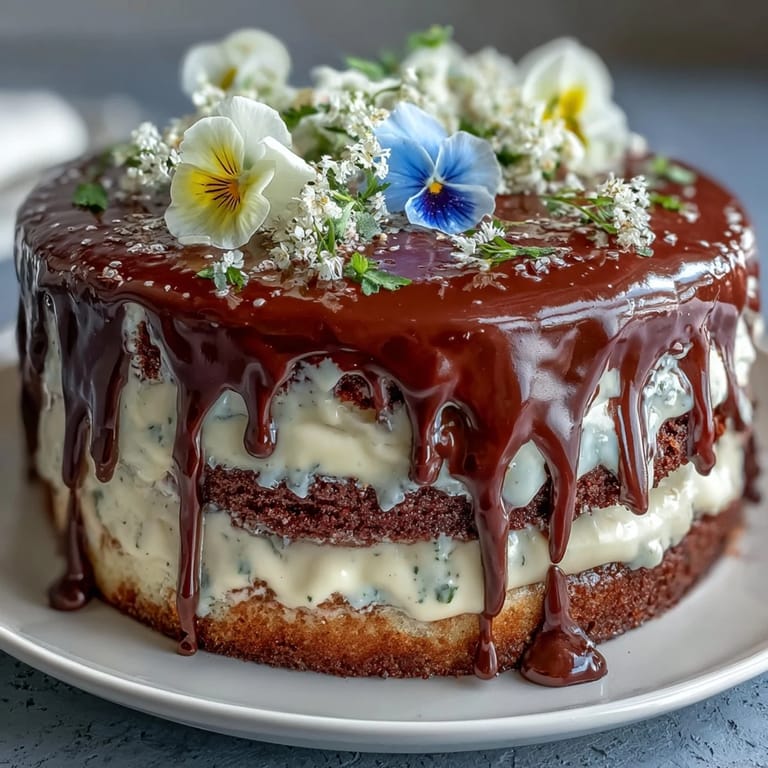
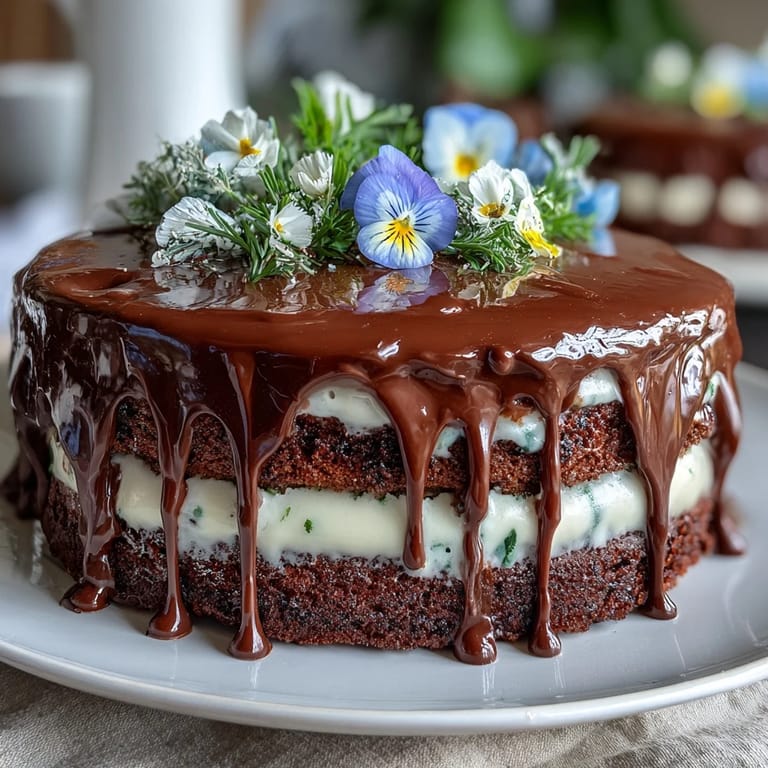
 There's something about watching white chocolate cascade down the sides of a cake that makes you believe in small moments of magic. I stumbled into making this spring floral drip cake after spending an afternoon at a farmer's market where the flower vendor casually mentioned her edible violets. Something clicked—the idea of combining delicate blooms with bright lemon and soft vanilla felt like spring could finally live on a dessert plate. What started as curiosity became an obsession, and after a few kitchen experiments (and yes, a few drips that went sideways), this became the cake I reach for when I want to celebrate without overthinking it.
I'll never forget the look on my sister's face when she walked into the kitchen and saw this cake sitting on the counter. She stopped mid-sentence, genuinely speechless, which almost never happens. That's when I realized it wasn't about the technical skill or the fancy ingredients—it was about creating something that made people pause and feel like they'd stepped into something special.
Ingredients
- All-purpose flour: The foundation of a tender crumb; whisking it with baking powder and salt prevents dense pockets and ensures even rise.
- Unsalted butter: You're the one controlling the salt here, so softening it properly (it should yield to light pressure) makes creaming easier and gives you fluffier cake.
- Granulated sugar: The beating time matters more than you'd think; 3–4 minutes of creaming actually aerates the butter and makes the difference between dense and cloud-like.
- Room temperature eggs: This isn't fussiness—cold eggs won't incorporate smoothly, and you'll end up with a grainy texture that no amount of mixing fixes.
- Vanilla extract: Pure is worth the cost; it tastes like actual vanilla instead of the flat note imitation leaves behind.
- Whole milk: The fat content keeps the cake moist without making it greasy, and room temperature means it blends seamlessly.
- Powdered sugar: Sifting it before you use it prevents lumps that no amount of beating will fully dissolve, saving you gritty frosting.
- Fresh lemon juice and zest: The juice brings brightness; the zest adds those tiny flavor bursts that make people ask what you did differently.
- White chocolate chips: Chopping them finely helps them melt evenly without scorching, and the ganache becomes silky instead of clumpy.
- Heavy cream: The ratio matters—too little and the drip won't flow; too much and you're spreading puddle instead of ganache.
- Edible flowers: Hunt these down from trusted sources or grow your own; they're the whole point, and wilted or pesticide-covered flowers will disappoint visually and mentally.
Tired of Takeout? 🥡
Get 10 meals you can make faster than delivery arrives. Seriously.
One email. No spam. Unsubscribe anytime.
Instructions
- Set the stage:
- Preheat to 350°F and prep your three 8-inch pans with parchment paper that comes up the sides. Cold pans mean the batter sits too long; warm ones help cakes rise evenly.
- Mix the dry team:
- Whisk flour, baking powder, and salt together in a medium bowl. This aeration matters more than you'd expect for a tender crumb.
- Cream butter and sugar:
- Beat until the mixture looks pale and fluffy, almost cloud-like—this takes the full 3–4 minutes. This is where air enters the cake, making it rise properly in the oven.
- Bring in the eggs:
- Add them one at a time, waiting for each one to fully incorporate before adding the next. If you rush this, the batter breaks and the cake becomes dense.
- Add vanilla:
- Mix it in after the last egg. It sounds simple, but it ensures even distribution throughout.
- Alternate wet and dry:
- Add flour mixture and milk in three additions, starting and ending with flour. This prevents overmixing, which would develop gluten and make your cake tough instead of tender.
- Divide and bake:
- Pour batter evenly among pans (a scale helps if you're feeling precise). Bake 25–30 minutes until a toothpick comes out clean with maybe a crumb or two.
- Cool with patience:
- Let cakes rest in pans for 10 minutes—this prevents them from breaking when they're still steaming. Then turn them onto racks to cool completely, which takes a couple hours.
- Make the frosting:
- Beat softened butter until creamy, then gradually add sifted powdered sugar. Add lemon juice and zest, then milk to get that perfect spreading consistency.
- Level if needed:
- A serrated knife and a gentle sawing motion helps if your cakes domed on top. This keeps stacking stable.
- Layer with intention:
- Place the first layer on a plate, spread frosting thick enough to taste but not so thick it squeezes out when you stack the next layer. Repeat, then frost sides and top.
- Prepare the white chocolate drip:
- Heat cream just until steaming (not boiling), pour it over chopped white chocolate, wait two minutes without stirring, then stir until smooth. This method gives you glossy ganache instead of a grainy mess.
- Cool the ganache:
- Let it sit a few minutes until it's thick enough to pour but still flows. Too warm and it'll run everywhere; too cool and it'll clump.
- Execute the drip:
- Use a spoon or squeeze bottle to let ganache run down the sides naturally. Don't overthink it—imperfect drips look more authentic anyway.
- Decorate with florals:
- Arrange your edible flowers on top with lemon zest and sprinkles if you like. Step back and admire before anyone sees it.
 Pin It
 I made this cake for my best friend's birthday tea, and watching her guests lean in close to admire the flowers before cutting into it made me realize that plating and presentation matter not because of Instagram, but because food is partly visual memory. Everyone remembered the blooms more than the taste, and somehow that felt exactly right.
The Lemon Frosting Secret
The balance between sweetness and tartness in the frosting is what keeps people coming back. I learned this after making a version where I went light on the lemon juice, thinking it would taste fresher with less—instead it tasted one-note and cloying. Now I taste as I go, adjusting the ratio until it makes your mouth water slightly. The zest adds brightness that the juice alone can't deliver, so don't skip it even if you're in a hurry.
Choosing Your Edible Flowers
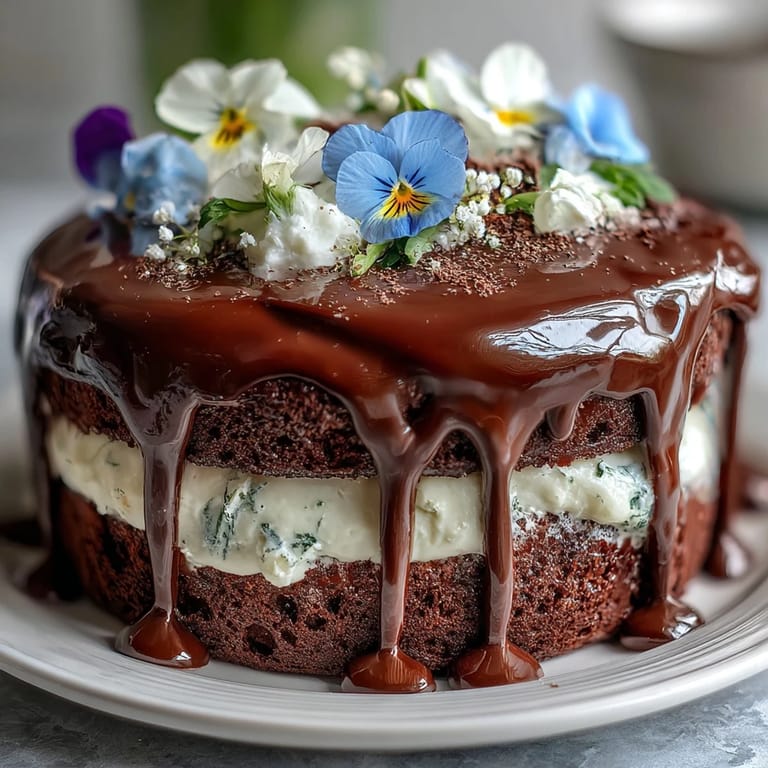
The flowers are the star, so choosing them thoughtfully matters. Violets are delicate and subtle; pansies bring color boldness; rose petals add romance if they're from a trusted source. I spent a whole afternoon one spring learning which flowers were food-safe and which ones just looked like food. Now I grow my own violets in a small pot on the kitchen windowsill, which solves the sourcing problem and gives me fresh petals whenever I need them.
Making This Cake Your Own
There's flexibility built into this recipe if you want to experiment. The vanilla sponge can become almond sponge if you swap a quarter of the flour for almond flour. The lemon frosting could shift toward lavender or rose water if you're drawn to different florals. I've even made this with a light strawberry tint in the frosting, which paired beautifully with the flowers on top. Whatever direction you take it, taste as you adjust, and don't be afraid to trust your instincts.
- Gluten-free flour blends work as a 1:1 swap if you're baking for someone with sensitivities.
- Store the finished cake in the refrigerator for up to 3 days, but bring it to room temperature before serving so the frosting softens and the flavors come alive.
- Pair this with sparkling wine or Earl Grey tea to complete the experience.
 Pin It
 This cake has become my go-to when I want to celebrate without stress, and it never fails to make people feel genuinely special. Bake it, trust the process, and let the flowers do their work.
Your Questions Answered
- → What type of flowers can decorate the cake?
Use edible, pesticide-free flowers like violets, pansies, or rose petals to ensure safety and add natural beauty.
- → How do I achieve the white chocolate drip consistency?
Heat heavy cream until just simmering, pour over white chocolate, let sit, then stir until smooth. Cool slightly until pourable but not too thin.
- → Can this cake be made gluten-free?
Yes, substitute all-purpose flour with a gluten-free flour blend in equal measure for a gluten-free version.
- → How should the cake be stored?
Keep refrigerated for up to 3 days. Before serving, allow it to reach room temperature for optimal flavor and texture.
- → What are good drink pairings for this cake?
Pair with sparkling wine or Earl Grey tea to complement the citrus and vanilla notes elegantly.
- → Can I customize the drip colors?
Yes, add food-safe gel coloring to the white chocolate ganache for pastel shades to suit your theme.