 Pin It
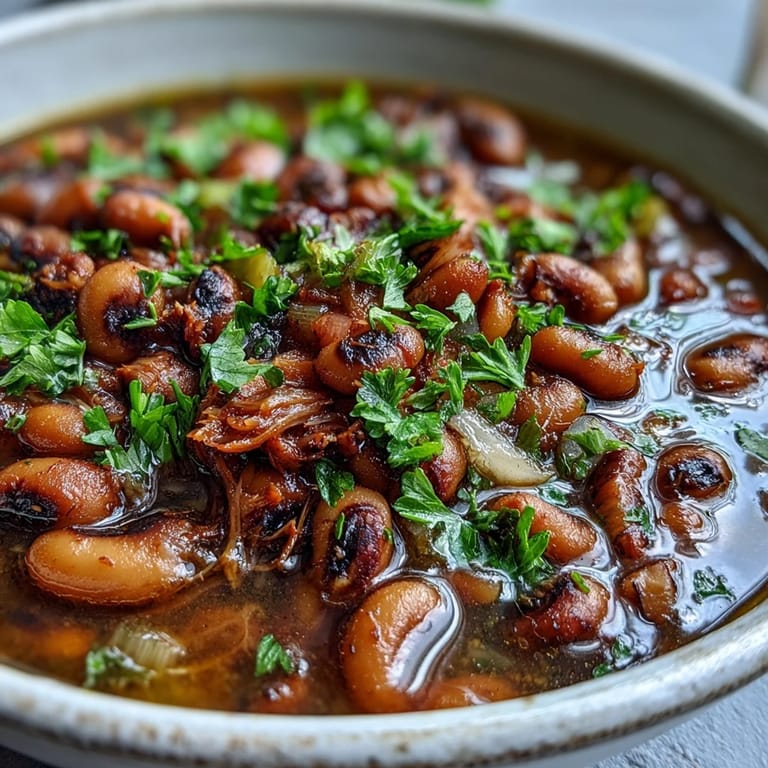
 My grandmother used to say that black-eyed peas on New Year's Day weren't just tradition—they were insurance. She'd have her pot simmering by sunrise, the kitchen filling with that deep, savory smell of smoked pork and Creole spices that somehow felt like a blessing in itself. I didn't understand the luck part as a kid, but I understood why everyone came back for thirds. There's something about a dish that's been made the same way for generations that makes you want to be part of that story.
I made this for the first time on my own during a chaotic New Year's Eve when I'd invited more people than I'd planned for. My nerves were shot until I tasted that first spoonful—and suddenly I realized I'd gotten it right. My grandfather, who sat in the corner quietly eating, asked for seconds without saying much else, which was his way of saying everything.
Ingredients
- Black-eyed peas (1 pound, dried): These humble legumes are the soul of the dish, turning creamy and yielding under the heat of long cooking—buying them dried instead of canned gives you control over texture and lets them absorb all those smoked flavors.
- Smoked pork neck bones or ham hocks (1½ pounds): This is where the magic happens; the slow simmer releases deep, smoky richness into every spoonful, and any meat clinging to the bones gets shredded back in at the end.
- Onion, celery, and green bell pepper (the holy trinity): Together they build a fragrant foundation that makes the whole pot smell like someone's grandmother is cooking—this is non-negotiable.
- Garlic (4 cloves, minced): Added after the vegetables soften, it prevents burning while adding a sharp, bright note that cuts through the richness.
- Creole seasoning (1½ teaspoons): This blend brings warmth and complexity without needing a spice rack; taste as you go because everyone's version of spicy is different.
- Water or low-sodium chicken broth (7 cups): Broth gives deeper flavor, but water lets you taste the pork and peas more directly—choose based on what you're craving.
- Bay leaf, thyme, smoked paprika, and black pepper: These quiet players add layers you won't taste individually but will absolutely notice if they're missing.
- Fresh parsley and hot sauce (optional garnish): The parsley adds a bright freshness at the end, while hot sauce lets each person customize their heat level.
Tired of Takeout? 🥡
Get 10 meals you can make faster than delivery arrives. Seriously.
One email. No spam. Unsubscribe anytime.
Instructions
- Soak your peas the night before (or take the quick route):
- Overnight soaking is gentler and makes for creamier peas, but if you're short on time, cover them with boiling water and let them sit for an hour. Either way, drain and rinse before cooking—this removes compounds that can cause digestive upset.
- Build your flavor base:
- Heat a splash of oil in your Dutch oven and sauté the onion, celery, and bell pepper over medium heat until they've softened and started to turn golden at the edges, about five minutes. You're not rushing this; you're coaxing out their sweetness.
- Toast the garlic briefly:
- Add the minced garlic and let it perfume the pot for just one minute—any longer and it turns bitter, any shorter and it stays raw.
- Combine everything and bring to a boil:
- Add your drained peas, smoked pork bones, liquid, and all seasonings. The pot will smell incredible almost immediately. Let it come to a rolling boil so you know everything is heating through evenly.
- Simmer low and slow for an hour and a half:
- Reduce the heat to low, cover with a lid, and let time do the work—stir occasionally so nothing sticks to the bottom. The peas will gradually turn tender and the broth will deepen in color and flavor, becoming almost silky.
- Shred the pork and finish seasoning:
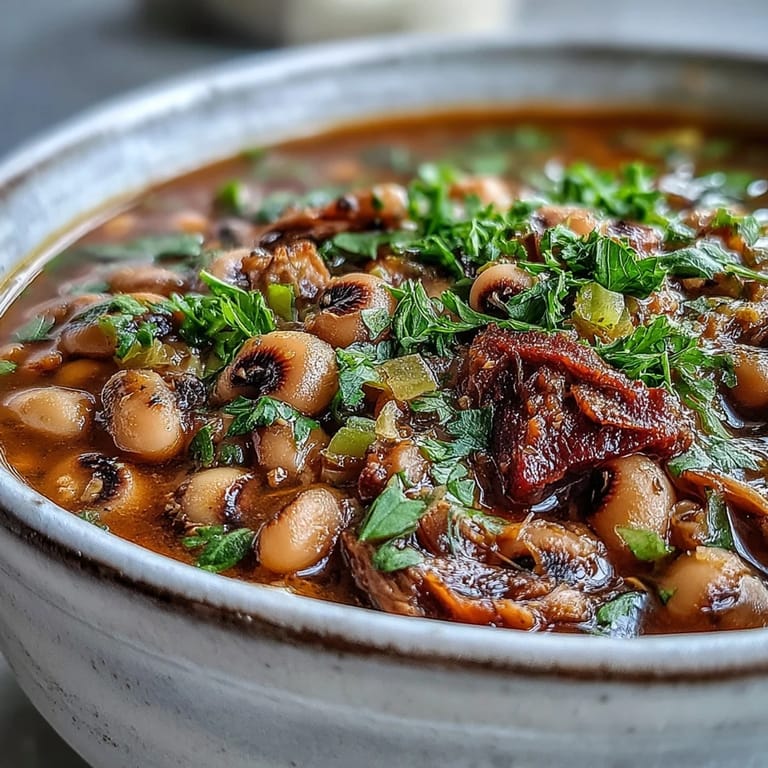
- Once the peas are soft enough to break easily between your fingers, remove the pork bones and shred any meat clinging to them, returning it to the pot and discarding the bones and excess fat. Taste for salt, remove the bay leaf, and adjust seasonings to your preference.
- Serve with intention:
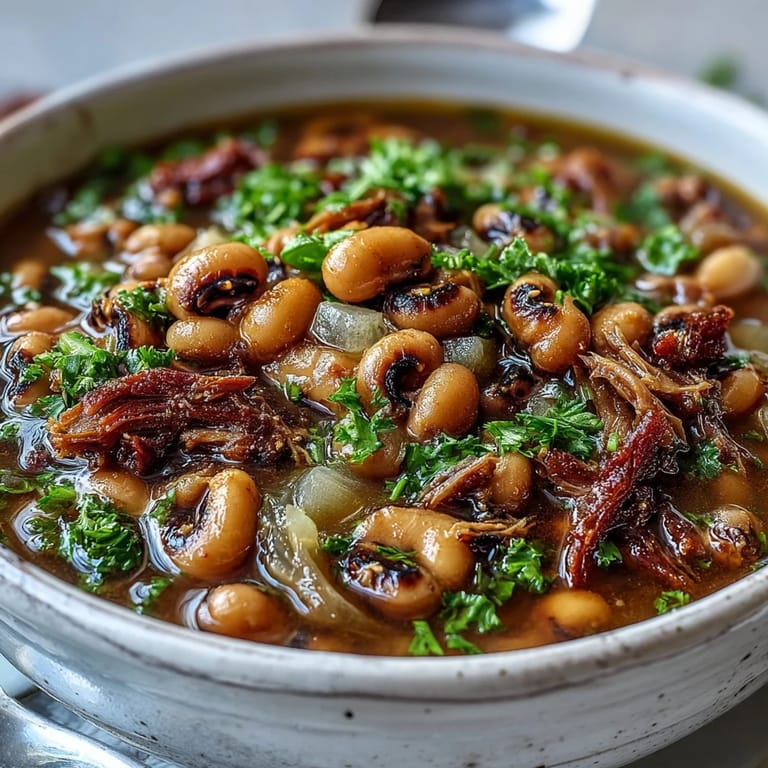
- Ladle into bowls over rice, top with fresh parsley, and let people add hot sauce to their taste. This dish is best eaten hot and shared at a table where people can linger.
 Pin It
 There was a year when a friend who'd just moved to the city came to our New Year's dinner, and she took her first bite of this and actually closed her eyes. Later she told me she'd never had anything that tasted like home, and I realized that's what this dish does—it carries someone's history in a bowl.
Why This Matters on New Year's Day
The tradition of eating black-eyed peas on January first goes back further than most people realize, rooted in the way Southern kitchens have always turned simple ingredients into something ceremonial. It's not about magic or superstition so much as it is about intention—sitting down to a meal that says you're thinking about abundance, luck, and taking care of the people around you. When you cook this on New Year's Day, you're not just making lunch; you're participating in something that matters to your family and your community.
Stretching This Dish Through the Week
The best part about making a big pot is that it gets better as it sits—the flavors deepen and marry together overnight, so what's delicious on January first becomes even more satisfying on January second. I've reheated this on the stove with a splash of water (never the microwave, which makes it taste thin and sad), and I've layered cold leftovers with rice and fresh greens the next day. It also freezes beautifully for months, which means you can recapture that feeling of New Year's optimism on a random Tuesday when you need it most.
Making It Your Own
This recipe is a foundation, not a prescription, and the best cooks I know treat tradition as a starting point rather than a boundary. Some people add a splash of apple cider vinegar at the end for brightness; others swear by a pinch of sugar to balance the smoke. I've made this with ham hocks when that's what was on sale, with chicken broth instead of water when I wanted something lighter, and even left the pork out entirely for vegetarian friends, replacing it with smoked paprika and a few drops of liquid smoke. Each version is still recognizable and still carries that same warm intention. Pay attention to your pot and adjust seasonings as you go—that's how you learn to cook, and that's how recipes become truly yours.
- Add a tablespoon of apple cider vinegar or hot sauce directly to the pot if you want brightness instead of just depth.
- Substitute smoked turkey if pork isn't your preference, though the flavor will be lighter and more delicate.
- Serve over rice, with cornbread, and alongside collard greens to complete the traditional Southern New Year's meal.
 Pin It
 This dish is about more than feeding yourself well, though it does that too—it's about showing up for the year ahead with something warm and intentional in your belly. Make it for yourself, make it for people you love, and watch how it becomes part of your family's story the way it became part of mine.
Your Questions Answered
- → Why do people eat black-eyed peas on New Years?
Black-eyed peas are a Southern tradition believed to bring good luck and prosperity in the coming year. The peas represent coins, while the greens often served alongside symbolize paper money. This custom dates back to the Civil War era and remains a beloved New Years Day ritual.
- → Do I need to soak the black-eyed peas overnight?
Overnight soaking is ideal for tender, evenly cooked peas, but you can use the quick soak method instead. Cover the peas with boiling water, let them sit for one hour, then drain and proceed with the instructions. The overnight method simply yields the creamiest texture.
- → Can I make this vegetarian?
Absolutely. Omit the smoked pork bones and enhance the smoky flavor with additional smoked paprika and a splash of liquid smoke. Consider adding a smoked vegetable broth or adding smoked salt to maintain that depth of flavor that typically comes from the pork.
- → What's the difference between Creole and Cajun seasoning?
Both are flavorful spice blends, but Creole seasoning typically contains paprika and tends to be milder, while Cajun seasoning often has more cayenne pepper and is spicier. They can generally be used interchangeably in this dish based on your heat preference.
- → How should I store leftovers?
Allow the peas to cool completely before transferring to an airtight container. They'll keep well in the refrigerator for up to 5 days, and the flavors actually improve over time. For longer storage, freeze portions for up to 3 months and thaw overnight in the refrigerator before reheating.
- → What should I serve with black-eyed peas?
Traditional Southern accompaniments include fluffy cornbread, steamed white rice, collard or mustard greens, and corn. This combination represents prosperity—peas for coins, greens for paper money, and corn for gold. A dash of hot sauce adds the perfect finishing touch.