 Pin It
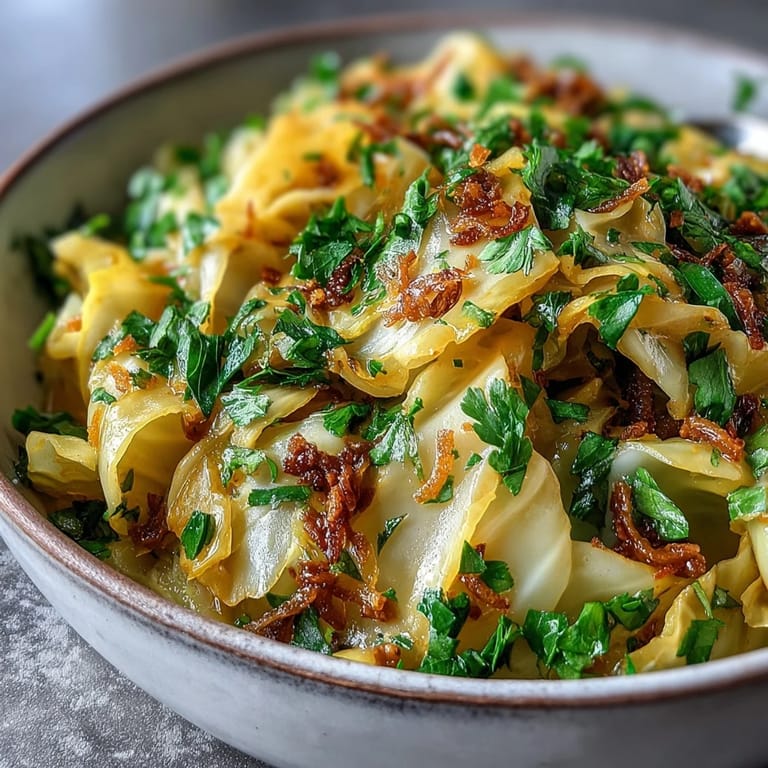
 My neighbor brought over a pot of braised cabbage one winter evening, and I expected something plain and forgettable. Instead, the kitchen filled with turmeric and coconut, and the cabbage had turned into something silky and almost luxurious. She laughed when I asked for the recipe, saying it was just what she threw together when the fridge was nearly empty. That night changed how I saw cabbage forever.
I started making this on weeknights when I needed something warm and satisfying but didn't want to spend an hour at the stove. My partner would come home to the smell of ginger and turmeric, and without fail, ask if we were having something fancy. It became our joke that cabbage had become fancy in our house, and now it's the side dish I turn to when I want comfort without fuss.
Ingredients
- Green cabbage: The star here, and it needs to be sliced thin so it braises evenly and becomes meltingly tender without turning mushy.
- Yellow onion: Adds a sweet, mellow base that balances the earthiness of the cabbage and the richness of the coconut.
- Garlic and ginger: These two are non-negotiable for building warmth and fragrance, and fresh is always better than jarred.
- Turmeric and cumin: They bloom in the oil and give the dish its golden color and gentle spice without overwhelming the coconut.
- Chili flakes: Optional, but a pinch adds just enough heat to wake up your palate without making it fiery.
- Full-fat coconut milk: Don't skimp and use lite, the richness is what makes this dish feel indulgent and creamy.
- Vegetable broth: Thins out the coconut milk just enough so the cabbage braises properly instead of frying.
- Coconut oil: I like it here for the subtle tropical note, but any neutral oil works if you don't have it.
- Cilantro and toasted coconut: Fresh herbs and a little crunch at the end make it feel complete and restaurant-worthy.
Tired of Takeout? 🥡
Get 10 meals you can make faster than delivery arrives. Seriously.
One email. No spam. Unsubscribe anytime.
Instructions
- Start with aromatics:
- Heat the oil until it shimmers, then add the onions and let them soften slowly, stirring occasionally. You'll know they're ready when they smell sweet and turn translucent at the edges.
- Build the base:
- Toss in the garlic and ginger, stirring constantly so they don't burn, just until the kitchen smells incredible. Then add your spices and let them sizzle for a few seconds to wake up their flavor.
- Add the cabbage:
- Pile in all that sliced cabbage and sprinkle with salt, tossing everything together so the spices coat every piece. It will look like a mountain at first, but it wilts down fast.
- Pour in the liquids:
- Add the coconut milk and broth, stirring to scrape up any spices stuck to the pan. Bring it to a gentle simmer, then cover and let it cook low and slow until the cabbage is soft and silky.
- Thicken and finish:
- Uncover the pan and let the sauce reduce a bit if it's too thin, stirring now and then. Taste, adjust the salt or heat, then garnish with cilantro and toasted coconut before serving.
 Pin It
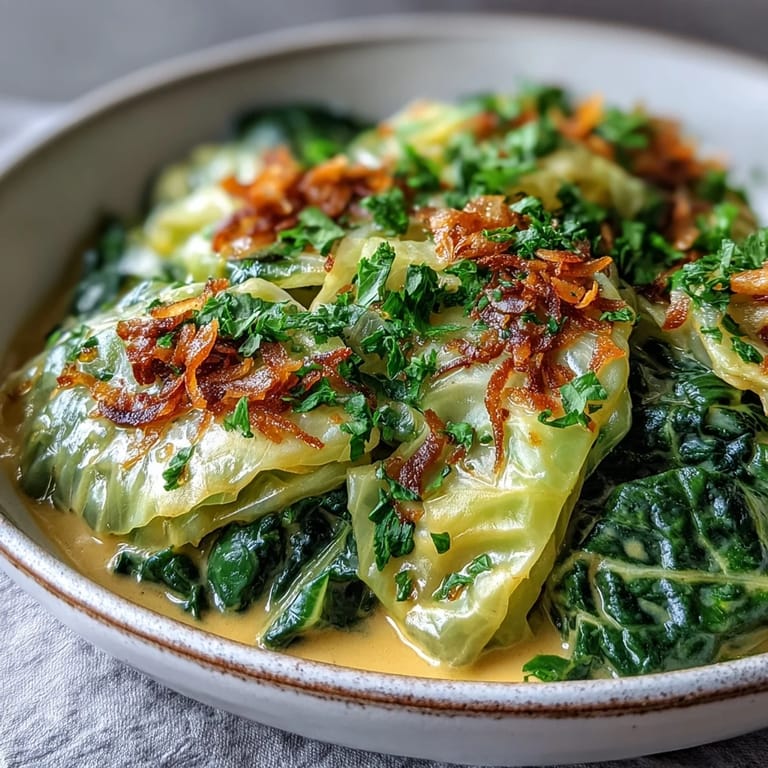
 I served this at a potluck once, and someone asked if it was a Thai curry. I said no, just cabbage, and they didn't believe me until I showed them the empty pot. That's when I realized this dish had earned a permanent spot in my rotation, not as a backup vegetable, but as something people actually requested.
Serving Suggestions
This pairs beautifully with jasmine rice or any grain that can soak up the creamy sauce. I've also spooned it over baked sweet potatoes, served it alongside grilled chicken, and even eaten it straight from the pan with a piece of warm naan. It's versatile enough to go with almost anything or stand alone as a light meal.
Storage and Reheating
Leftovers keep well in the fridge for up to four days, and the flavors actually deepen overnight. Reheat gently on the stovetop with a splash of water or broth to loosen the sauce, stirring occasionally so it doesn't stick. I've never tried freezing it, but I suspect the cabbage would lose some of its texture, so I'd recommend making only what you'll eat within a few days.
Variations and Swaps
You can swap green cabbage for savoy or napa if you want something more delicate, though cooking time may shorten slightly. A handful of spinach or kale stirred in at the end adds color and extra nutrients without changing the dish too much. If you like it spicier, add a sliced fresh chili along with the garlic, or finish with a drizzle of chili oil.
- Try adding a tablespoon of curry paste instead of dry spices for a bolder, more complex flavor.
- Stir in a handful of cashews or peanuts at the end for crunch and richness.
- A squeeze of lime juice right before serving brightens everything up and cuts through the coconut beautifully.
 Pin It
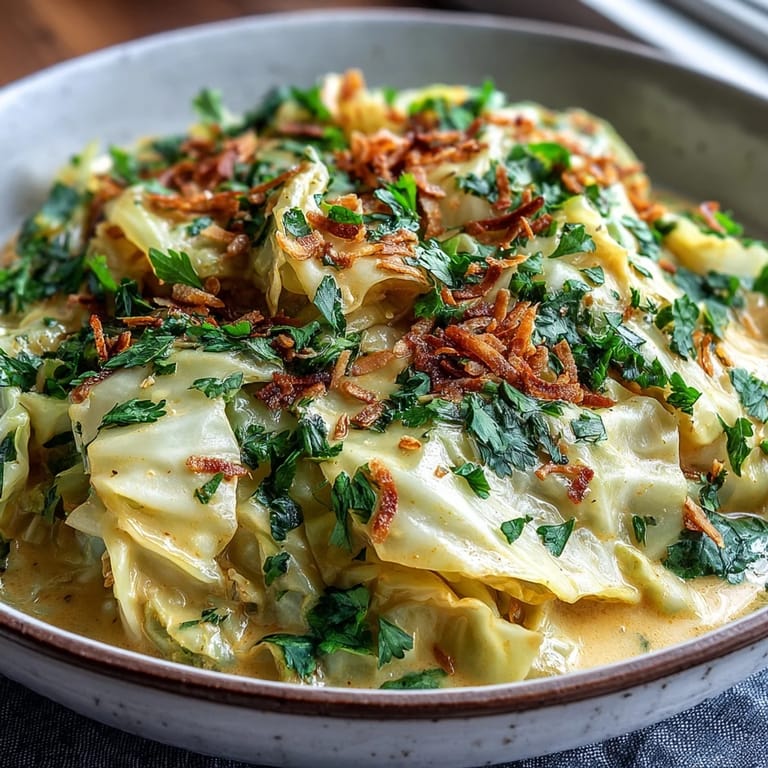
 This dish taught me that the simplest ingredients can surprise you when treated with a little care and the right spices. I hope it becomes a staple in your kitchen the way it has in mine.
Your Questions Answered
- → Can I use a different type of cabbage?
Yes, savoy cabbage or napa cabbage work beautifully as substitutes for green cabbage. They may cook slightly faster, so check for tenderness around 12-15 minutes.
- → How do I make this dish spicier?
Increase the chili flakes to 1 teaspoon or add fresh sliced chilies when sautéing the aromatics. You can also drizzle with chili oil before serving.
- → Can I prepare this ahead of time?
Absolutely. This dish reheats wonderfully and flavors deepen overnight. Store in an airtight container in the refrigerator for up to 4 days and reheat gently on the stovetop.
- → What can I serve this with?
This pairs excellently with steamed jasmine rice, grilled chicken, fish, tofu, or as a side to Indian or Thai curries. It also works as a topping for baked sweet potatoes.
- → Is lite coconut milk acceptable?
While you can use lite coconut milk, the dish will be less rich and creamy. For best results, use full-fat coconut milk or just the thick cream from the top of the can.
- → How do I prevent the cabbage from becoming mushy?
Cook on low heat and check for tenderness at 15 minutes. The cabbage should be tender but still hold its shape. Avoid overcooking by removing from heat once it reaches your desired texture.