 Pin It
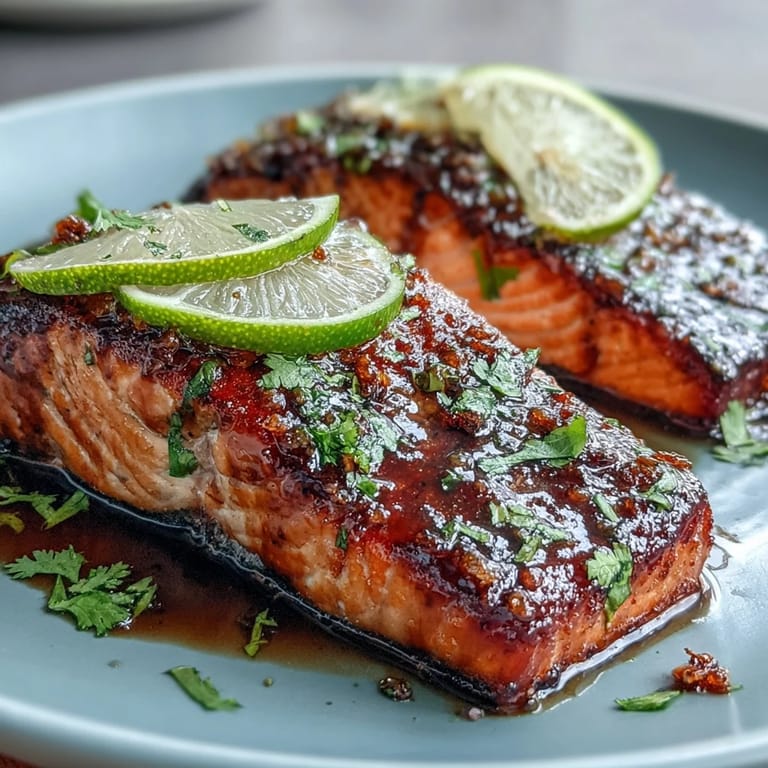
 One weeknight, my neighbor stopped by just as I was pulling a glistening salmon fillet from the oven, and the aroma of honey and garlic butter stopped her mid-sentence. She asked what I was making, and when I told her it was ready in under thirty minutes, she laughed and said I'd just made her dinner plans for the week. That's when I realized this dish had become my secret weapon—elegant enough to impress, simple enough that I could make it on autopilot after a long day.
I made this for my parents last summer during a visit, and my mom—who claims she doesn't like fish—went back for seconds. She sat there picking apart the flakes with her fork, commenting on how the honey mellowed out any fishiness while the lime kept everything feeling light. That moment told me everything: this recipe transcends the usual seafood skepticism and just works.
Ingredients
- Salmon fillets (4, about 6 oz each): Look for firm, bright pink flesh that doesn't smell fishy—quality matters here since so little transforms it, and ask your fishmonger when the shipment arrived if you're unsure.
- Unsalted butter (4 tablespoons): Let it melt slowly so it becomes silky; this is your flavor foundation, so don't rush or use margarine.
- Honey (1/3 cup): Raw or regular both work, but raw honey adds a deeper, slightly floral note that regular honey can't quite match.
- Fresh lime juice (3 tablespoons from about 2 limes): Bottled juice will work in a pinch, but fresh lime brings brightness that bottled can't replicate—roll your limes on the counter first to release more juice.
- Garlic (4 cloves, minced): Mince it fine so it distributes evenly and mellows during baking rather than leaving harsh raw bits.
- Salt and pepper (1/2 teaspoon and 1/4 teaspoon): Taste your glaze before coating the salmon; you can always add more, but you can't take it back.
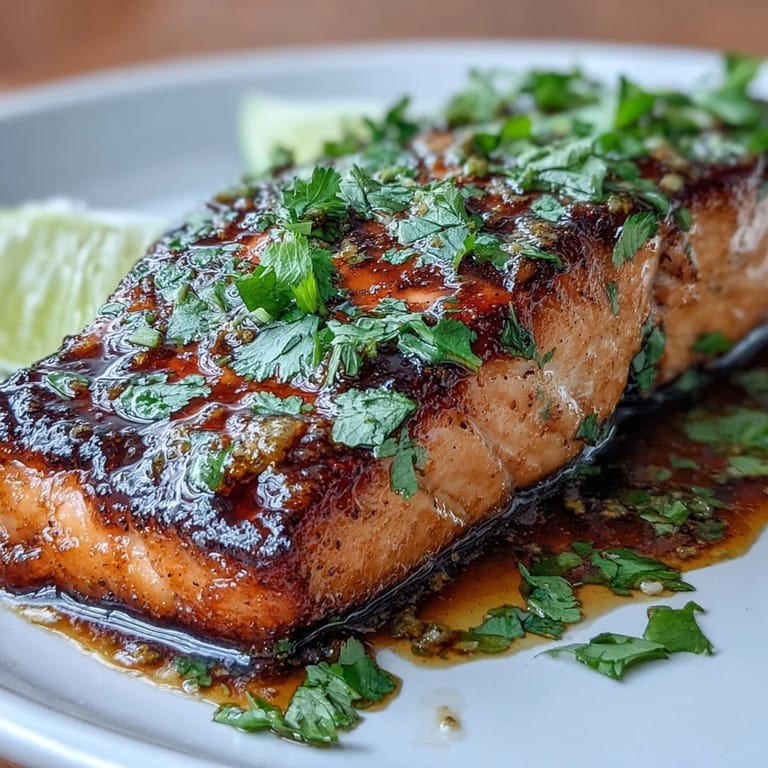
- Lime slices and fresh cilantro or parsley (for garnish): These aren't just decoration—they're your last chance to brighten the dish and signal that fresh, vibrant feeling.
Tired of Takeout? 🥡
Get 10 meals you can make faster than delivery arrives. Seriously.
One email. No spam. Unsubscribe anytime.
Instructions
- Set your stage:
- Heat your oven to 400°F and line a baking dish with foil—this step feels small, but it saves you from the regret of scrubbing hardened glaze later. Your future self will be grateful.
- Prepare the salmon:
- Pat those fillets completely dry with paper towels, and don't skip this—moisture is the enemy of a beautiful glaze. Arrange them skin-side down if they have skin, or presentation-side up if they're skinless.
- Blend your magic:
- In a small bowl, whisk the melted butter, honey, lime juice, garlic, salt, and pepper until everything is completely combined and the mixture looks glossy. If you see little pockets of honey not mixed in, whisk harder—lumps of unmixed honey won't melt evenly over the salmon.
- Coat generously:
- Use a pastry brush or spoon to coat each fillet with the glaze, making sure the garlic bits distribute across the surface. Don't be shy here; this glaze is what makes the magic happen.
- Top with brightness:
- Lay a couple of lime slices on each fillet—they'll soften during baking and infuse the fish with subtle citrus from the inside out.
- Bake until golden:
- Slide the dish into the oven and set a timer for fifteen to twenty minutes, depending on fillet thickness. The salmon is done when it flakes easily with a fork and looks opaque in the thickest part; a meat thermometer reading 145°F is your confirmation if you like certainty.
- Finish and serve:
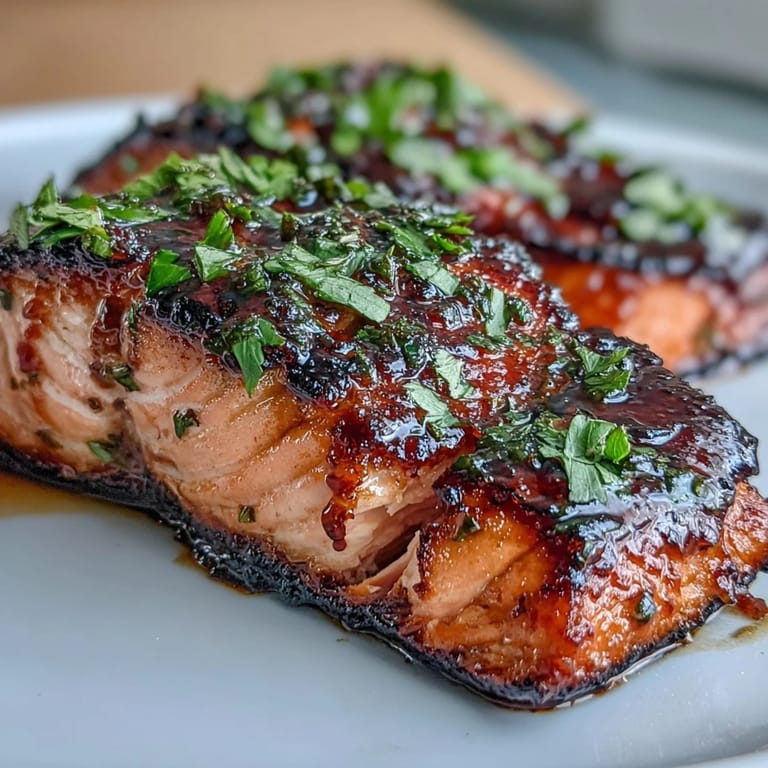
- Pull it from the oven, scatter cilantro or parsley on top for a fresh flourish, and serve immediately while the glaze is still glossy and the salmon is at its tender best.
 Pin It
 There's something about watching someone's face light up when they taste salmon that tastes like the ocean and honey and sunshine all at once. I've learned that good food creates these small moments of connection, and this dish does that reliably, every single time.
When You Want Extra Drama
If you're feeling fancy or have a few extra minutes, try turning on the broiler for the last two minutes of cooking—the glaze will bubble and caramelize into an amber crust that looks almost too beautiful to eat. Watch it like a hawk though, because the line between caramelized and burnt is about ninety seconds, and I learned that the hard way once. The result is worth the attention, but there's no shame in skipping this step if you prefer your salmon perfectly cooked with gentle, even heat.
Playing with Flavors
This recipe is a canvas, not a contract. Swap the lime for lemon if that's what you have, or add a tiny pinch of cayenne pepper if you like a whisper of heat beneath all that sweetness. I've even stirred in a teaspoon of soy sauce once when I was feeling creative, and it added an umami depth that made the whole dish feel more complex. The core technique stays the same—it's just the personality that shifts.
Building Your Plate
This salmon shines alongside vegetables that have their own character—steamed broccoli tossed with sesame oil, roasted asparagus with a squeeze of lemon, or even a simple arugula salad dressed with olive oil and fleur de sel. Rice or quinoa underneath catches all that glaze that pools at the bottom of the baking dish, turning every bite into something special. Some nights I keep it minimal with just a green salad, letting the salmon be the star.
- Cook your sides in advance so they're ready when the salmon comes out of the oven, making dinner feel effortless.
- If you're batch cooking, you can make the glaze the night before and keep it in the fridge, then bring it to room temperature before baking.
- Leftovers reheat best when gently warmed in a 275°F oven with a tiny splash of water, rather than in the microwave which can dry out the fish.
 Pin It
 This dish has become my go-to when I want to feel like I've accomplished something in the kitchen without actually spending an evening there. It's the kind of recipe that makes you look like you know what you're doing, even on nights when all you wanted was something easy and delicious.
Your Questions Answered
- → What is the best way to ensure salmon stays moist while baking?
Coat salmon with a butter-based glaze and bake at moderate temperature, ensuring it doesn't overcook. Using foil-lined pans helps retain moisture.
- → Can I substitute lime with another citrus?
Yes, lemon works well as a substitute, offering a slightly different but equally bright citrus note in the glaze.
- → How do I get a caramelized finish on the salmon glaze?
Broil the salmon for the last 2 minutes of cooking, keeping a close eye to prevent burning, to achieve a caramelized top layer.
- → What herbs pair best with this salmon preparation?
Fresh cilantro or parsley add a fresh, vibrant garnish that complements the glaze’s sweet and tangy flavors.
- → Is this dish suitable for gluten-free diets?
Yes, all ingredients used are naturally gluten-free, making this an excellent option for gluten-sensitive individuals.